
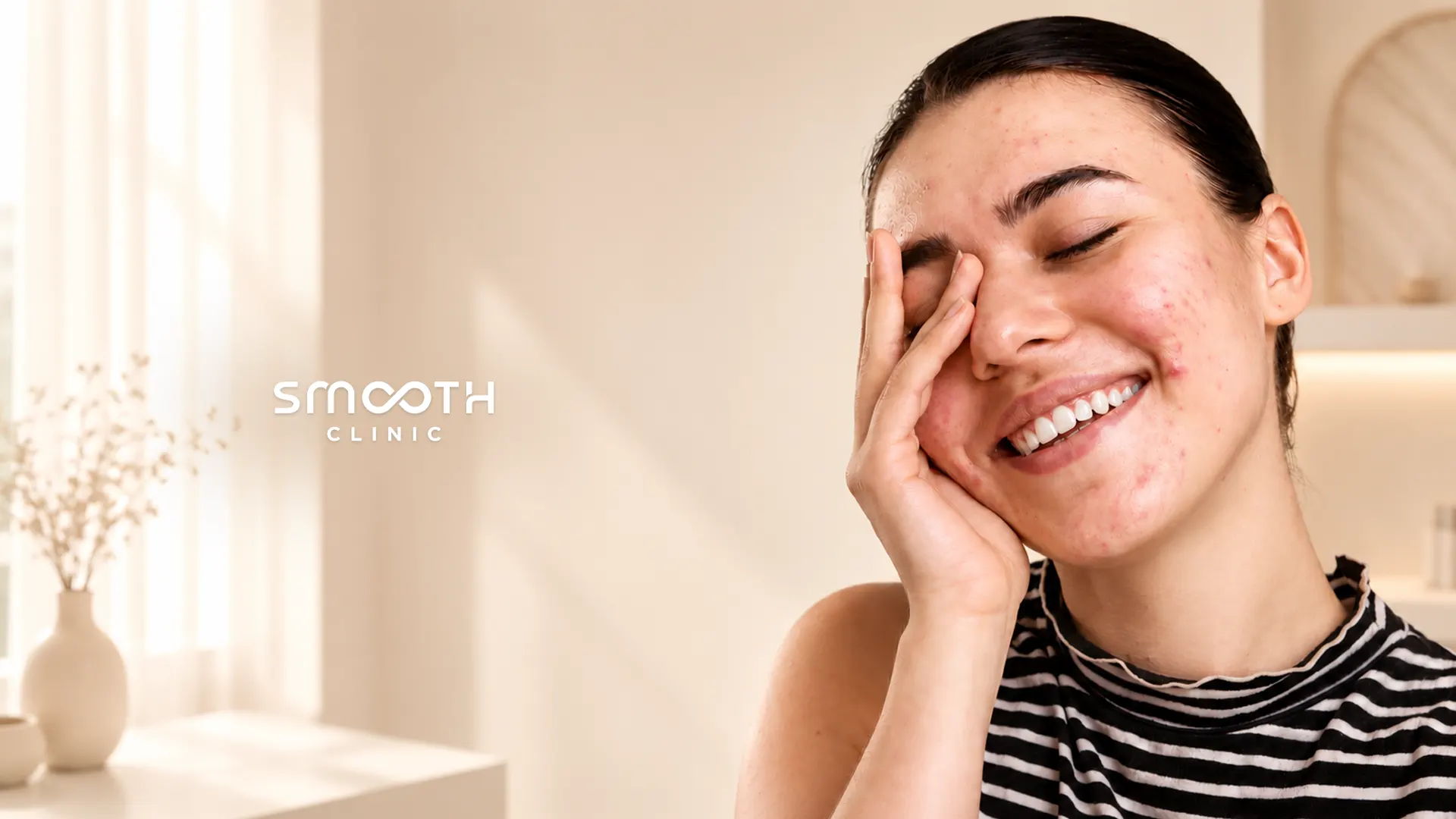
What Causes Dark Spots and Why Don’t They Fade on Their Own?
Dark spots, also known as hyperpigmentation, are areas of skin that appear darker than the surrounding tissue. They occur when the skin produces an excess amount of melanin, the natural pigment responsible for skin color. The overproduction of melanin is often triggered by external and internal factors such as sunlight, hormones, or skin inflammation.
Common Triggers of Dark Spots
- Sun exposure (UV rays): Stimulates melanin production, leading to visible darkening.
- Acne and inflammation (Post-inflammatory hyperpigmentation): After acne heals, lingering marks may remain.
- Hormonal changes: Pregnancy or birth control pills can cause melasma or persistent dark patches.
- Genetics and aging: Some individuals are more prone to pigmentation, and age spots increase with time.
Why Dark Spots Don’t Easily Fade on Their Own
- Excess melanin is often deposited deep in the skin layers.
- The natural skin turnover process slows down with age.
- Environmental factors such as sunlight and pollution continue to stimulate pigment production.
How Are Dark Spots Different from Melasma and Freckles?
Dark spots, melasma, and freckles are often discussed together since all involve pigment disorders, but they differ in causes, appearance, and treatment approaches.
Dark Spots (Hyperpigmentation)
- Often develop after acne, inflammation, or sun exposure.
- Appear as scattered dark patches without a specific pattern.
- Can occur anywhere on the skin.
Melasma
- Commonly linked to sun exposure and hormonal changes such as pregnancy or birth control use.
- Appears as larger brownish patches, usually on the face.
- Tends to recur and is more difficult to manage long-term.
Freckles (Ephelides / Lentigines)
- Caused mainly by genetics and sun exposure.
- Appear as small brown spots, often on sun-exposed areas like cheeks and nose.
- Usually visible from childhood or adolescence and become more pronounced with sun exposure.
Which Types of Dark Spots Can Be Treated with Creams?
Dark spot creams often contain ingredients that regulate melanin production, such as Vitamin C, Arbutin, Alpha Hydroxy Acids (AHA), or Retinol. These can brighten the skin, but not all types of dark spots respond equally well to topical treatments.
Dark Spots That Creams Usually Help
- Post-inflammatory hyperpigmentation (acne marks): Creams with exfoliating or melanin-inhibiting ingredients can speed up fading.
- Superficial sun-induced spots: Recently formed and shallow spots may improve with antioxidant-based creams.
- General dullness: Brightening creams can improve overall skin tone and radiance.
Dark Spots That Creams Usually Don’t Resolve
- Melasma or age-related pigmentation: Often require professional treatments such as laser therapy.
- Deep-seated pigmentation: Topical creams alone are insufficient.
Why Don’t Some Creams Work on Dark Spots?
Although dark spot creams contain active ingredients that regulate melanin production, many people do not see noticeable results. The main reason is that the depth, cause, and persistence of pigmentation vary, and topical products cannot always address them.
Reasons Creams Often Fail
- Pigmentation lies deep in the skin: Creams cannot penetrate to the dermal layer where excess melanin may reside.
- Chronic melasma or age-related spots: Typically require medical treatments such as laser therapy in addition to creams.
- Insufficient concentration of active ingredients: Over-the-counter creams may be too mild to produce visible results.
- Ongoing triggers: Continuous sun exposure or lack of sunscreen use prevents improvement.
How to Prevent Dark Spots from Coming Back
While treatments can fade existing dark spots, prevention is key to avoiding recurrence. Consistent daily care helps maintain an even skin tone.
Essential Prevention Tips
- Apply sunscreen daily: Use SPF 30 or higher and reapply every 2–3 hours when outdoors.
- Avoid peak sun exposure: Between 10 a.m. and 3 p.m., wear hats or sunglasses for extra protection.
- Choose the right skincare: Products with antioxidants like Vitamin C or Niacinamide can help prevent new pigmentation.
- Maintain overall skin health: Get enough sleep, stay hydrated, and avoid picking acne to minimize post-inflammatory marks.
Foods and Vitamins That Help Reduce Dark Spots
In addition to creams or laser treatments, nutrition plays an important role in skin health. Certain vitamins and antioxidants can help reduce inflammation and regulate excess melanin production.
Beneficial Vitamins and Nutrients
- Vitamin C: Found in citrus fruits, guava, and bell peppers. Helps inhibit melanin production and stimulates collagen synthesis.
- Vitamin E: Present in nuts and seeds. Acts as an antioxidant that protects skin cells from UV damage.
- Niacinamide (Vitamin B3): Found in grains and lean meats. Supports a more even skin tone.
- Polyphenols: Found in green tea and colorful vegetables/fruits. Help calm skin inflammation.
- Water: Staying well-hydrated promotes healthy skin turnover.
Creams vs. Laser Treatments: What’s the Difference for Dark Spots?
Both creams and laser treatments can fade dark spots, but they suit different cases. The main differences are the depth of pigmentation and the speed of results.
Comparison Table: Creams vs. Laser
| Factor | Dark Spot Creams | Laser Treatments |
|---|---|---|
| How it works | Inhibits melanin production and accelerates skin turnover | Targets melanin directly with laser energy |
| Best for | New acne marks, superficial spots | Deep pigmentation, melasma, persistent dark spots |
| Time to see results | 2–3 months or longer | Visible improvement after 2–3 sessions |
| Limitations | Often ineffective for deep or chronic spots | Requires a dermatologist, higher cost |
| Aftercare | Daily home use | Post-laser care essential, strict sun protection |
What Is Laser Treatment for Dark Spots, and Does It Really Work Fast?
Laser treatment for dark spots uses targeted light energy to break down excess melanin in the skin. Once the pigment is fragmented, the body naturally clears it away, leading to a more even and brighter complexion.
Key Benefits of Laser Treatments for Dark Spots
- Targeted action: Directly treats melanin without harming surrounding skin.
- Fast results: Noticeable improvement is often seen after just 2–3 sessions.
- Versatile use: Effective for acne marks, melasma, freckles, and stubborn pigmentation.
- Performed by specialists: Energy levels are carefully adjusted for each skin type.
Types of Laser Treatments for Dark Spots and How They Differ
Different types of lasers are used to treat dark spots. They vary in wavelength, energy delivery, and suitability for specific skin conditions.
Common Laser Options
- Q-Switch Nd:YAG: Emits short, high-energy pulses; effective for dark spots, melasma, and pigmentation.
- Pico Laser: Delivers ultra-fast pulses; breaks pigment into finer particles for quicker results with minimal downtime.
- IPL (Intense Pulsed Light): A broad-spectrum light (not a true laser); best for superficial spots and redness.
- Sylfirm X Plus A next-generation device combining Dual-Wave RF Microneedling. Targets melasma, hyperpigmentation, acne scars, and also stimulates collagen — suitable for patients seeking multi-benefit treatment.
How Many Laser Sessions Are Needed to See Results for Dark Spots?
The number of sessions depends on the type of pigmentation, the depth of melanin, and the laser technology used. Multiple treatments are usually required for visible and lasting results.
Conventional Lasers
- Q-Switch / Pico: Noticeable improvement often seen after 2–3 sessions. Deeper melasma or pigmentation may require 4–6 sessions.
- IPL: Works best for superficial spots, typically requiring 3–5 sessions.
Sylfirm X Plus
- Typically recommended for 3–6 sessions, depending on whether the concern is melasma, hyperpigmentation, or acne scars.
- Results can last 12–18 months with consistent skincare and sun protection.
Results and Aftercare: Will Dark Spots Come Back After Laser?
After laser treatment, dark spots typically fade, leaving the skin clearer and more radiant. However, the duration of results depends on the laser type and post-treatment care.
How Long Results Last
- Q-Switch / Pico / IPL: Results may last several months to a year, but recurrence is possible with excessive sun exposure or hormonal changes.
- Sylfirm X Plus: Results often last longer (12–18 months) since it not only reduces pigmentation but also rejuvenates skin and stimulates collagen.
Post-Treatment Care
- Daily sunscreen use: Essential to prevent new pigmentation.
- Avoid heat and direct sunlight: Especially within the first 1–2 weeks.
- Gentle skincare: Choose calming products such as soothing serums or Exosome-based treatments.
- Regular follow-ups with a doctor: To track progress and adjust treatment if needed.
When Should You See a Doctor About Dark Spots?
Most dark spots are harmless pigmentation changes, but in some cases, they may indicate an underlying skin condition that requires medical evaluation.
Warning Signs to Watch For
- Rapid growth: Spot enlarges noticeably within a few weeks.
- Uneven color: Multiple shades (brown, black, red) in one spot.
- Irregular borders: Blurred edges or asymmetrical shape.
- Associated symptoms: Itching, pain, or easy bleeding.
- No improvement with standard treatments: Unresponsive to creams or laser therapy.
If you notice any of these signs, consult a dermatologist to rule out conditions such as skin cancer or other serious dermatological disorders.
How Much Does Dark Spot Treatment Cost in 2025?
The cost of dark spot treatment varies depending on the type of laser, the severity of pigmentation, and the number of sessions required. Below are approximate price ranges in 2025:
Estimated Costs (Not price at clinic)
- Q-Switch / IPL: Around 2,500 – 4,500 THB per session, suitable for superficial pigmentation.
- Pico Laser: Around 5,000 – 9,000 THB per session, offers precise results with minimal downtime.
- Sylfirm X Plus Around 16,990 up to THB per session, recommended for deep pigmentation, melasma, and acne scars.
- Package deals: Many clinics offer 3–6 session packages, which are more cost-effective long term.
Note: Actual costs depend on individual assessment by a doctor and clinic promotions. Consultation is recommended before making a decision.
FAQ: Does Laser for Dark Spots Hurt? Can I Wear Makeup? What About Downtime?
Does laser treatment for dark spots hurt?
Most patients describe it as a mild pricking or warming sensation. A numbing cream is often applied beforehand to minimize discomfort.
Can I wear makeup after laser?
It’s best to avoid makeup for the first 24 hours to prevent irritation. After that, makeup is usually fine, but gentle, non-comedogenic products are recommended.
How long is the downtime?
Downtime is minimal. Mild redness may appear for 1–3 days, but most people can resume daily activities immediately.
Conclusion
There are multiple ways to treat dark spots depending on their cause and depth of pigmentation. Options range from topical creams and nutritional support to professional treatments like lasers and innovative devices such as Sylfirm X Plus, which offer long-lasting improvements. Consistent sun protection and regular follow-ups with a dermatologist are essential to maintain results and prevent recurrence.
If dark spots are affecting your confidence, consult a qualified doctor to design a treatment plan tailored specifically for your skin.
* Results may vary for each individual. A consultation with a dermatologist is recommended for personalized advice.