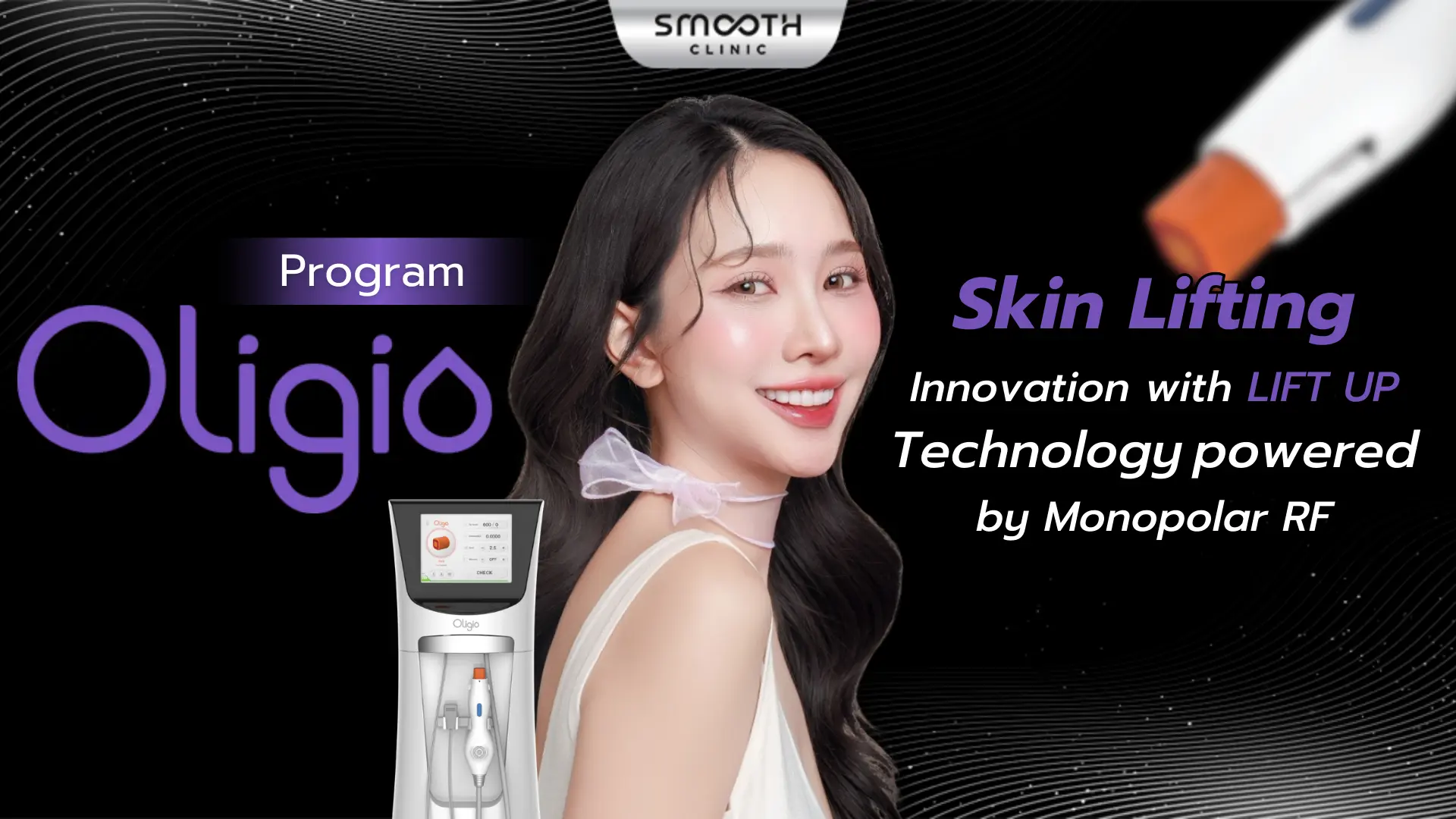
Oligio: Non-Surgical Facial Skin Tightening for an Instant V-Shaped Look!
If you’ve started to notice sagging skin, a less defined jawline, or fine lines that make you look tired, Oligio might be the answer. This skin-tightening technology from South Korea is gaining popularity due to its visible results, minimal pain, non-invasive procedure, and no downtime. It’s ideal for those who want to look naturally refreshed in a short amount of time.
What is Oligio?
Oligio is a facial skin-tightening technology using Monopolar Radiofrequency (RF). It's designed for people who want to rejuvenate their skin for a firmer, more youthful look—without surgery. Oligio delivers 6.78 MHz RF energy deep into the skin layers to stimulate new collagen and elastin production, resulting in tighter and smoother skin naturally.
You might wonder, how does RF energy work? Oligio’s radiofrequency penetrates deeply without damaging the surface, similar to the well-known Thermage. However, Oligio incorporates newer Korean technology focused on safety and user comfort.
Key Benefits of Oligio According to Doctors
- Non-invasive, no incisions: No recovery time needed.
- Less painful than older models: Thanks to Skin Temp. Tracking and Cooling Systems that precisely manage skin temperature.
- Visible results immediately and improving over 2–6 months.
- Suitable for all skin types, especially those with mild to moderate signs of aging.
Oligio is rapidly becoming a favorite in aesthetic clinics across Asia due to its quick, effective, and safe results under medical supervision.
Why It’s Called “Korean Thermage”
Oligio works by emitting continuous 6.78 MHz radiofrequency waves into the skin. These waves cause collisions between charged molecules and ions, converting energy into heat (40-60°C). This heat penetrates the dermis and subcutaneous fat, stimulating collagen and elastin production and leading to skin tightening.
Is Oligio Effective? What Results Can You Expect?
So, is Oligio really effective? Based on the doctor’s experience treating real cases, it’s safe to say that Oligio is one of the most effective skin-tightening technologies out there. It has received consistently positive feedback from both physicians and patients—especially those looking to address skin laxity without surgery.
What results does Oligio deliver?
One of the most noticeable effects is “immediate skin tightening right after the procedure.” The results then continue to improve over the next 2–6 months as the natural collagen regeneration process progresses. The skin becomes firmer, more lifted, and radiantly refreshed—without the overly stiff or unnatural look.
Does it really tighten the skin?
Absolutely. Oligio uses Monopolar RF energy—the same proven technology behind Thermage, backed by years of clinical research. The Oligio device has been further enhanced for greater ease of use, reduced discomfort, and increased precision—especially when it comes to controlling temperature and energy depth.
How is Oligio Different from Other Techniques?
There are several skin-tightening technologies: Thermage, Ultherapy Prime, HIFU, and other RF-based systems. Each suits different skin types. Here’s a comparison
Oligio vs. Ulthera (Ultherapy PRIME)
- Difference: Ulthera uses focused ultrasound (Dot to Dot), while Oligio spreads RF energy more evenly—less intense and faster.
- Results: Ulthera is for more advanced sagging; Oligio is great for mild issues or people wanting comfort without downtime.
- Price: Ulthera is 1.5–2 times more expensive.
Oligio vs. HIFU (e.g., Ultraformer III)
- Difference: HIFU (Ultraformer III) is less effective for fatty areas like cheeks or double chin due to shallower penetration; Oligio reaches deeper and wider.
- Results: Clients unresponsive to HIFU often benefit more from Oligio.
Oligio vs. Thermage
- Difference: Oligio adds cooling and vibration to reduce discomfort; Thermage FLX delivers higher energy—better for severe sagging but more painful.
- Results: Both define the jawline, reduce smile lines, and double chin over 2–6 months, lasting about 12–18 months.
- Price: Oligio costs 30–50% less than Thermage.
Can Oligio Be Combined with Botox or Fillers?
Absolutely!
- Oligio: Lifts and tightens skin, boosts collagen, reduces sagging.
- Botox: Reduces expression lines (e.g., forehead, between brows, crow’s feet).
- Filler: Fills deep lines and enhances contours (e.g., under eyes, temples, smile lines).
Used together, they offer a naturally enhanced look without stiffness.
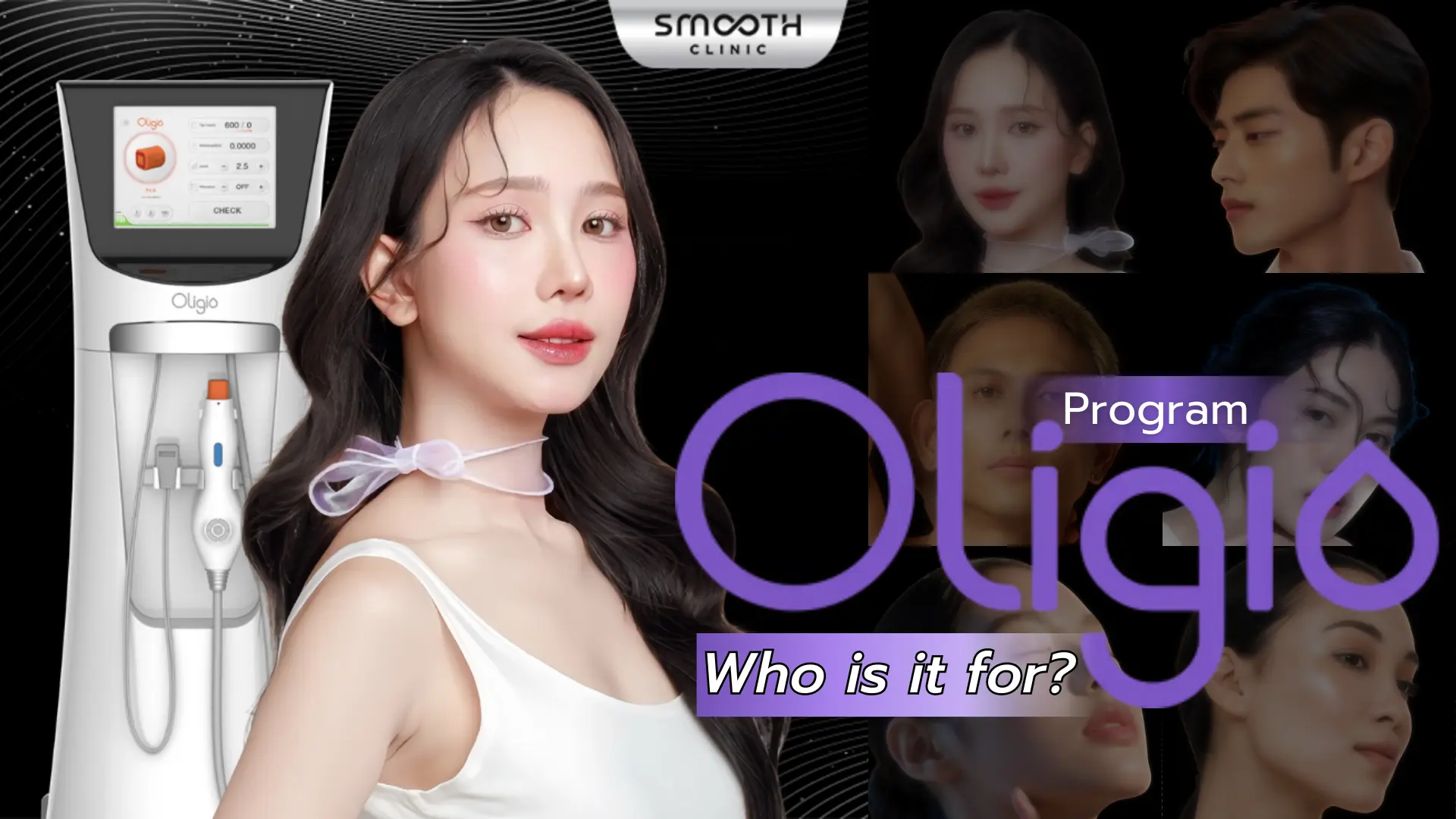
Who is Oligio Suitable For?
Oligio suits a wide age range, depending on the skin issues and desired outcomes.
Best age range for Oligio treatment
- Age 25 and up: If your jawline looks less defined or you have a slight double chin, it’s not too early to start.
- Ages 30–50: Highly recommended, as collagen loss becomes more noticeable, with mild to moderate sagging.
- Over 50: Still beneficial, especially for those with moderate sagging.
Best skin concerns for Oligio
- Undefined or drooping jawline
- Early double chin or slight fat under the chin
- Sagging cheeks, drooping around mouth corners
- Slightly deepening smile lines
- Enlarged pores, loss of skin firmness
- Neck wrinkles or uneven skin texture
- No time for downtime or visible wounds
Who can benefit from Oligio?
- Women: Enhances facial contour softly and naturally, without looking overdone.
- Men: Popular for reducing double chin and sharpening the jawline without making the face appear too delicate.
- Seniors: Great for non-surgical facial rejuvenation with gradual results.
- Professionals: Perfect for busy city lifestyles—no downtime, can be done during lunch breaks.
How to Prepare Before Oligio
- Avoid exfoliants like AHA, BHA, Retinol, or strong Vitamin C for 3 days before treatment.
- Get enough sleep the night before (6–8 hours).
- Avoid alcohol and smoking 24 hours prior.
- Drink plenty of water 1–2 days before for better hydration and collagen response.
- Inform your doctor if you’ve had previous facial surgery, threads, filler, or Botox.
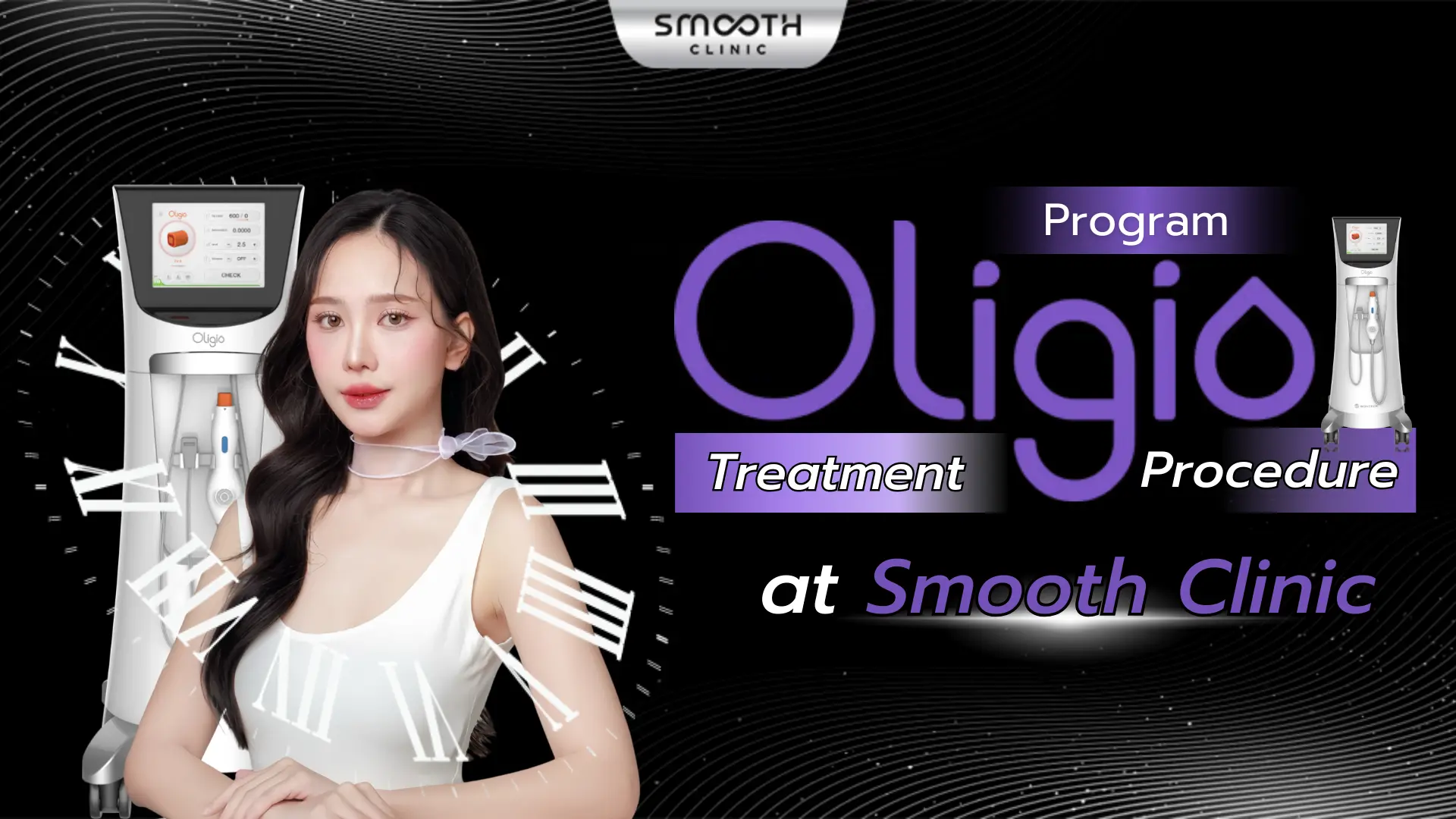
Oligio Procedure at the Clinic
- Consultation: Doctor assesses your skin and discusses treatment goals.
- Preparation: Cleansing the area and applying RF-conductive gel.
- Anesthetic may be used if the patient has sensitive skin.
- Treatment:
- The Oligio device delivers controlled heat via handpiece to deep skin layers.
- You’ll feel warmth or slight heat in some areas—no burning or pain.
- Duration: About 30–60 minutes depending on area size.
Aftercare Guidelines for Oligio Treatment
After undergoing Oligio, many patients ask about aftercare. Generally, post-care is very straightforward, since the procedure does not cause wounds or skin peeling. However, proper care afterward can enhance and prolong the lifting effects and ensure optimal skin recovery.
What to Avoid for the First 24–72 Hours
- Avoid harsh skin contact, such as scrubbing, exfoliating, or squeezing pimples.
- Avoid direct sunlight exposure, especially during the first 2–3 days.
- Avoid sauna, steam rooms, or activities that significantly increase facial temperature, like intense running or working out in a hot gym.
- Avoid using irritating skincare products, including Retinol, AHA/BHA, concentrated Vitamin C, or fruit acids.
Recommended Sun Protection and Moisturizing
- Use a moisturizing product to help your skin recover faster.
- Apply sunscreen with SPF 50+ or higher daily, especially in the morning or before leaving home.
- If you have to go outdoors, wearing a hat for additional sun protection is highly recommended.
Can You Resume Daily Activities?
- You can resume your normal activities immediately after the procedure, such as working, attending meetings, or going outside.
- There are no wounds or downtime, and makeup can be applied as usual (approximately 3–6 hours post-treatment).
I’d like to add that taking care of your skin after Oligio treatment is similar to taking care of your body after exercise. The better you take care of your skin, the more noticeable and long-lasting the collagen-stimulating results will be.
Thus, if your lifestyle involves working daily or if you cannot afford downtime, Oligio is an ideal choice for you.
Is Oligio Painful? What Does It Feel Like? Is There Downtime?
In fact, Oligio is specifically designed to minimize discomfort compared to earlier RF technologies. Its Contact Vibration and Cooling Gas System help cool the skin surface, so patients generally feel a warm sensation during treatment, but not significant pain. Many patients describe it as similar to "a gentle hot massage" rather than pain. If you've previously tried Thermage or HIFU, you'll likely find Oligio considerably more comfortable.
(Pain Level: Oligio < HIFU < Thermage)
Pain Comparison: Oligio / Thermage / HIFU
- Oligio: Feels warm and mildly tightening, similar to a gentle hot massage. It doesn’t cause sharp or deep stinging pain due to its built-in cooling and vibration systems.
- Thermage: Uses similar RF technology but at higher intensity, causing more discomfort, especially near bony areas (jawline, forehead).
- HIFU: Can cause sharp, deep sensations or nerve twitching, particularly around the jawline.
Is Anesthetic Cream Needed?
Doctors recommend applying anesthetic cream for every case to ensure maximum comfort, although Oligio itself causes minimal discomfort. Anesthetic cream is applied about 30–45 minutes before treatment.
Is There Downtime?
There's no downtime required. You can immediately resume your daily routine. It’s recommended to avoid strong sun exposure and intense physical activities for 24–72 hours.
How Much Does Oligio Cost?
Oligio treatment pricing can vary based on factors such as shot quantity, treated area, clinic quality, and doctor's experience. Here's a simplified breakdown of average pricing.
Pricing (per Shot)
- 100–150 shots: 5,000 – 7,500 THB
- Full face (300–600 shots): 15,000 – 30,000 THB
Pricing by Area
- Jawline / Double chin: ~12,000 – 18,000 THB
- Full face + Neck: ~30,000 – 50,000 THB
- Specific areas (under eyes / cheeks): 6,000 – 10,000 THB
Always inquire for detailed consultations and reviews before selecting a package. Treatment should be evaluated by a doctor to ensure accurate planning.
Factors Affecting Pricing
- Clinic quality and doctor's expertise: Clinics with experienced doctors and genuine devices will have higher prices but deliver safer and better results.
- Authenticity of Device: Genuine Oligio machines are made by Wontech, Korea, and are FDA-approved.
- Doctor’s Technique: Proper energy placement techniques can significantly improve results.
Are There Any Side Effects?
Oligio is highly safe because it uses Monopolar RF, an FDA-approved technology widely utilized in aesthetic medicine. However, minor side effects can still occur, especially if performed by inexperienced providers or with substandard devices.
Common Side Effects (Resolve within 1–3 days)
- Mild swelling (cheeks, chin, neck)
- Slight redness in treated areas
- Mild heat sensation similar to mild sunburn
- Mild skin tightness or tenderness (common for sensitive skin)
If side effects persist beyond normal durations (e.g., swelling or redness lasting longer than 2–3 days, or numbness and deep pain lasting more than a week), promptly consult your doctor.
Possible treatments for side effects
- Mild topical steroid creams for inflammation
- Oral pain relievers or antihistamines for rashes or itching
- LED light therapy to reduce inflammation and promote healing
Avoid self-medication without medical guidance, as this may cause further irritation or sensitivity.
Risks of Using Counterfeit Devices or Inexperienced Practitioners
Undergoing Oligio at unauthorized clinics or with fake devices can result in
- Skin burns due to uncontrolled energy levels
- Bruising from repeated treatments on the same spot
- Uneven skin texture and irregular lifting
- Infection or inflammation from reused or unsanitary tips
Preventing Side Effects
- Choose clinics with a certified, experienced doctor performing the procedure.
- Verify that clinics use genuine Oligio machines from Wontech, Korea.
- Undergo skin evaluation before every treatment.
- Follow all aftercare instructions strictly (avoid sun exposure, heat, or heavy makeup within the first 24 hours).
- Avoid excessive treatments (recommended once every 6–12 months).
How Many Treatments Are Needed to See Results?
Many patients ask about how quickly results appear and how many treatments are required
Are results visible after one treatment?
Yes. Immediate tightening and firmness can be felt, and many patients notice clearer facial contours immediately after treatment. However, optimal results gradually develop over 2–6 weeks as new collagen naturally forms.
Is one session enough?
- For early signs of sagging or minor issues, a single session can deliver satisfactory results.
- For more pronounced results or multiple concerns (e.g., jawline, cheeks, double chin), doctors might recommend 2 sessions, spaced 6 months apart.
Recommended Frequency
- At least 6–12 months interval between sessions to allow adequate collagen formation and skin recovery.
- For long-term anti-aging benefits, one session per year is sufficient.
How long do results last?
- Results typically last 12–18 months after a single treatment, depending on age, skin condition, and skincare routine.
- Results can be prolonged with consistent sunscreen usage, collagen-stimulating skincare, and supplemental treatments.
- Smoking, excessive sun exposure, or insufficient rest may shorten the results.
How to Identify a Genuine Oligio Device?
Given Oligio’s growing popularity, counterfeit or substandard devices are increasingly common. To ensure safe and effective treatments, verify these points clearly before proceeding
Features of Genuine Oligio
- Manufactured by Wontech, South Korea, an established company known for aesthetic technology innovations.
- Clearly marked Serial Number and FDA certification.
- Officially registered with Thai FDA.
Verify Clinic Details
- Inspect the actual device for the "Oligio" logo on the screen or control panel.
- Request documentation such as FDA certification, import records, and warranty documents from Wontech.
- Ensure disposable treatment tips are brand-new and individually packaged.
Risks of Counterfeit Devices
- Inconsistent or overly deep energy delivery can cause burns, redness, or uneven skin.
- Lack of proper cooling systems increases risk of swelling or redness.
- Poor energy control leads to uneven or ineffective lifting results.
- Absence of temperature sensors can cause permanent skin damage.
Summary
Oligio is a non-surgical skin tightening technology using Monopolar RF, ideal for individuals aged 25–50 experiencing mild to moderate skin sagging, fine lines, or enlarged pores. It stands out for being comfortable, delivering fast results, and providing lasting benefits (12–18 months) compared to Thermage, Ulthera, and HIFU. It offers an optimal balance of comfort, effectiveness, and affordability. For best results and safety, always select clinics using authentic Wontech Oligio devices operated by experienced doctors.
For more information, please contact:
Phone: 088-121-8888
Line: @smoothclinic
Website: https://smoothclinic.net/
Frequently Asked Questions about Oligio
What is Oligio?
Oligio is a skin tightening treatment that uses Monopolar Radio Frequency (RF) to stimulate collagen and elastin production in the skin. This helps to firm the skin, reduce wrinkles, and create a more defined facial contour.
Who is Oligio suitable for?
Oligio is suitable for individuals with skin laxity, saggy cheeks or chin, fine lines, and those seeking a more youthful appearance.
Does Oligio hurt?
During the procedure, you may feel a slight warmth, but overall, it is considered painless. Anesthetic are not typically required.
How noticeable are the results after Oligio treatment?
Results are noticeable immediately after the treatment, and continue to improve over the next 2-3 months. The effects can last for several months, depending on individual skin care.
Are there any side effects from Oligio?
After the treatment, you may experience slight redness, which usually subsides within 45 minutes. There is no downtime, and you can resume your normal activities immediately.
How long does it take to see results from Oligio?
You will notice immediate skin tightening, but the full effects of collagen production will be visible in 1-3 months. Results can last for 6-12 months.
How should I care for my skin after Oligio treatment?
No special post-treatment care is required. You can resume your normal daily routine However, to maintain youthful and healthy skin, it is recommended to avoid excessive sun exposure, wear sunscreen, and use a moisturizer regularly.
How much does Oligio cost?
The cost of Oligio treatment varies depending on the number of shots required for each individual. Starting at 300 shots for those with minor concerns, 600 shots for those with moderate concerns, and 900 shots for those with more significant concerns.
Smooth Clinic is currently offering a pre-sale promotion with special pricing. Book your appointment now.