
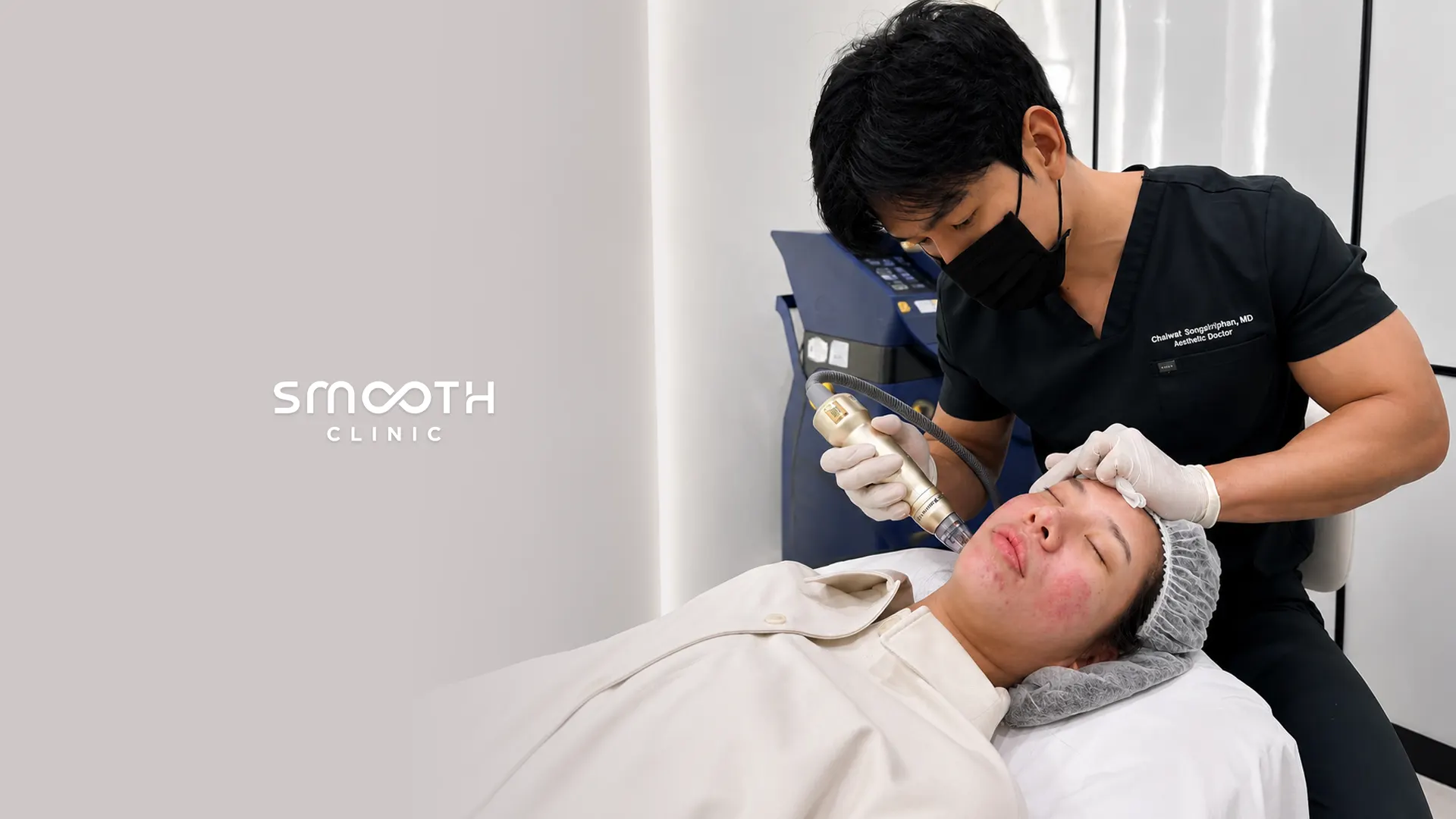
What is RF (Radio-Frequency)?
RF, or Radio-Frequency, refers to electromagnetic waves within a specific frequency range that are widely applied in both medicine and aesthetics—especially for skin tightening and wrinkle reduction.
The energy works by delivering controlled heat into the skin layers, stimulating natural collagen and elastin production. This process helps the skin become firmer and smoother without the need for surgery.
Beyond cosmetic treatments, RF technology is also used in fields like tissue therapy and wireless communication, highlighting its safety and global acceptance.
How RF Energy Works
RF energy, or radio-frequency waves, works by delivering controlled heat into targeted layers of the skin. This heat causes existing collagen fibers to contract while stimulating the production of new collagen over time.
The result is firmer, smoother, and more elastic skin without damaging the outer layer. Because of this, RF treatments require little to no downtime compared with surgical procedures.
This principle is applied in both medical and cosmetic fields, such as RF ablation for tissue treatment and RF skin tightening for aesthetic improvements.
Applications of RF in Aesthetics
In aesthetics, RF energy is primarily used for skin rejuvenation and tightening. The controlled heat stimulates collagen production, helping the skin look firmer, smoother, and reducing the appearance of wrinkles.
Beyond facial treatments, RF is also applied to areas like the arms, abdomen, and thighs to address skin laxity and improve firmness naturally.
RF treatments are popular because they are minimally invasive, cause little discomfort, and can be repeated to maintain long-lasting results.
Who Is RF Suitable For?
RF treatments are ideal for individuals experiencing early signs of skin laxity, fine lines, or reduced elasticity—especially those seeking non-surgical options with minimal downtime.
It suits working-age adults or those noticing aging signs such as wrinkles around the eyes, cheeks, or jawline, and who want a natural skin-firming effect.
However, people with implanted medical devices like pacemakers, or those with certain skin conditions, should consult a doctor before undergoing RF treatment.
Comparing RF vs HIFU vs Laser
RF uses radio-frequency heat to stimulate collagen, making it suitable for thinner skin or those seeking a less painful option. Results improve gradually with repeated sessions.
HIFU employs high-intensity focused ultrasound to target the SMAS layer, commonly addressed in facelift surgery. It delivers deeper lifting effects but may cause more discomfort than RF.
Laser treatments work on the skin’s surface, improving texture, pigmentation, and fine lines but lack the deep tightening effects of RF or HIFU. The best choice depends on skin concerns and desired outcomes.
How RF Treatment Is Performed
Before an RF session, the doctor assesses the skin condition and selects the appropriate device. The skin is cleansed, and a conductive gel is applied to ensure even energy delivery.
During treatment, controlled radio-frequency waves are emitted. Patients usually feel a gentle warmth but little to no pain. Each session typically lasts 30–60 minutes.
Afterward, patients can resume normal activities immediately. Mild redness may appear but subsides naturally. Results gradually improve as new collagen is produced over time.
Results and Safety of RF
The effects of RF gradually become noticeable within 1–2 months, as the body naturally produces new collagen. Skin appears firmer, tighter, and smoother over time.
Typically, results last for several months depending on factors like skin condition, age, and aftercare. Repeat sessions can help extend and maintain the improvements.
In terms of safety, RF is considered low-risk. It does not damage the outer skin layer, with only mild redness or warmth that usually subsides within a few hours.
Cost of RF Treatments in 2025
The cost of RF treatments varies depending on the treated area, number of sessions, and the type of device used. Prices generally range from a few thousand to tens of thousands of THB per course.
Smaller areas, such as under-eye or cheek treatments, cost less compared to full-face or multiple-area sessions. Multiple treatments often deliver more noticeable results.
Most clinics offer packages or seasonal promotions, so it is advisable to inquire and compare options to choose the most suitable and cost-effective program.
Real Patient Reviews
Most people who undergo RF report feeling their skin firmer and tighter immediately after treatment. While full results develop as new collagen forms, improvements are often noticeable from the first session.
Working-age clients commonly seek RF for fine lines and jawline tightening, whereas those over 40 often combine RF with other procedures to achieve more dramatic results.
Overall feedback highlights RF as a low-pain, no-downtime procedure that can be repeated, which explains its ongoing popularity in aesthetic clinics.
Frequently Asked Questions About RF
Does RF hurt?
Most patients feel only mild warmth on the skin. It is generally painless and well tolerated.
How many sessions are needed for results?
Improvements are noticeable after the first session, but 4–6 treatments are recommended for optimal and lasting outcomes.
How long do the results last?
On average, results last about 6–12 months, depending on skin condition and aftercare.
Who should avoid RF?
Individuals with implanted electronic devices, such as pacemakers, or certain skin conditions should consult a doctor before treatment.
Conclusion
RF is an effective option for those seeking skin tightening and wrinkle reduction without surgery. Results gradually appear as new collagen forms and can be maintained with repeated sessions.
It is important to choose a clinic with qualified doctors, certified equipment, and personalized consultation to ensure safe and suitable outcomes for each individual.
- RF (Radio-Frequency) is a technology that uses radio waves to stimulate collagen for firmer, more youthful skin.
- Popular in aesthetics due to its non-surgical approach and minimal downtime.
- Results gradually improve as new collagen forms naturally.
- Beyond beauty, RF is also widely applied in medicine and other technologies.
Results may vary for each person. A doctor’s consultation is recommended for tailored advice.
Reference
- El-Domyati M, et al. Radiofrequency facial rejuvenation: Evidence-based effect.
- Shu X, et al. Effectiveness of a Radiofrequency Device for Rejuvenation (2022).
- Austin G.K., et al. Evaluating the effectiveness and safety of radiofrequency for face and neck rejuvenation: A systematic review (2022).
- Shin J.M., et al. Efficacy and Safety of Monopolar Radiofrequency for Tightening the Skin of Aged Faces (2024)
- American Board of Cosmetic Surgery. Are Radiofrequency Treatments Really Safe?