What is making your face look fuller or less defined?
Round, square and oval faces are normal variations. A V-shaped face is a personal preference, not a medical goal everyone needs to achieve. If you want a change, start with the feature that bothers you rather than a package advertised as “face slimming.”
- Bone structure: the width of the jaw and cheekbones, and the position of the chin, help determine facial shape. Botox and skin-tightening devices do not narrow the jawbone.
- Jaw muscles: prominent masseter muscles can make the lower face look wider. Their contribution needs to be assessed alongside bone and soft tissue.
- Fat: the amount and distribution of cheek and under-chin fat vary between people. A double chin is not always caused by fat alone.
- Skin laxity: loose skin and changes in supporting tissue can soften the jawline. Removing more fat may not address this concern.
- Volume and proportions: a less projected chin or an area of volume loss can affect facial balance. Adding volume in a selected area is different from making the whole face smaller.
How do face slimming treatments compare?
| Treatment | Main purpose | Important limit |
|---|---|---|
| Masseter Botox | Temporarily reduce prominent jaw-muscle activity and size | Does not reduce jawbone width or facial fat |
| Fat-reduction injections | Treat localized fat with a specific product at an appropriate site | “Meso fat” is not one standardized medicine; under-chin evidence does not establish cheek safety |
| Ultrasound or RF devices | Address selected skin-laxity or skin-quality concerns | Not every device reduces fat, and tightening is not a surgical lift |
| Hyaluronic acid filler | Add volume or adjust chin and jawline proportions | Does not remove fat or shrink the face |
| Thread lift | Reposition selected sagging tissue | Involves skin punctures and recovery; does not remove excess skin |
Masseter Botox: for muscle-related jaw width
Botulinum toxin temporarily reduces activity in the treated masseter muscle. As the muscle becomes smaller, the lower face may look narrower. It is an option to discuss when muscle prominence is a substantial part of the concern, rather than assuming every square jaw needs injections.
Shape changes develop over weeks and the effect is temporary. A randomized trial of onabotulinumtoxinA found improvement in adults with marked masseter prominence, but its results do not establish the same outcome for every toxin product or face shape. Possible problems include bruising, chewing weakness and changes in the smile. Reassessment matters before repeating treatment.
“Meso fat”: check the actual medicine and treatment area
Clinics may use “meso fat” as a broad name for fat-reduction injections. The ingredients, evidence and risks are not necessarily the same. Ask for the exact product and the proposed treatment site before considering a course.
Evidence for deoxycholic acid under the chin does not establish that it is suitable for cheeks or that other mixtures work similarly. In September 2026, the U.S. FDA strengthened Kybella warnings about use outside the under-chin fat area and about persistent injection-site nodules or masses. This is U.S. product-specific information, not confirmation of authorization in Thailand.
Risks can include pain, swelling, bruising, numbness, persistent lumps, infection and tissue or nerve injury, depending on the substance and site. There is no reliable universal “three to five sessions” plan or one-to-two-week result promise for everything sold as meso fat.
Ultherapy PRIME, Ultraformer III, Oligio X and Sylfirm X Plus
These names describe different technologies:
- Ultherapy PRIME: microfocused ultrasound with visualization, which provides ultrasound images during treatment.
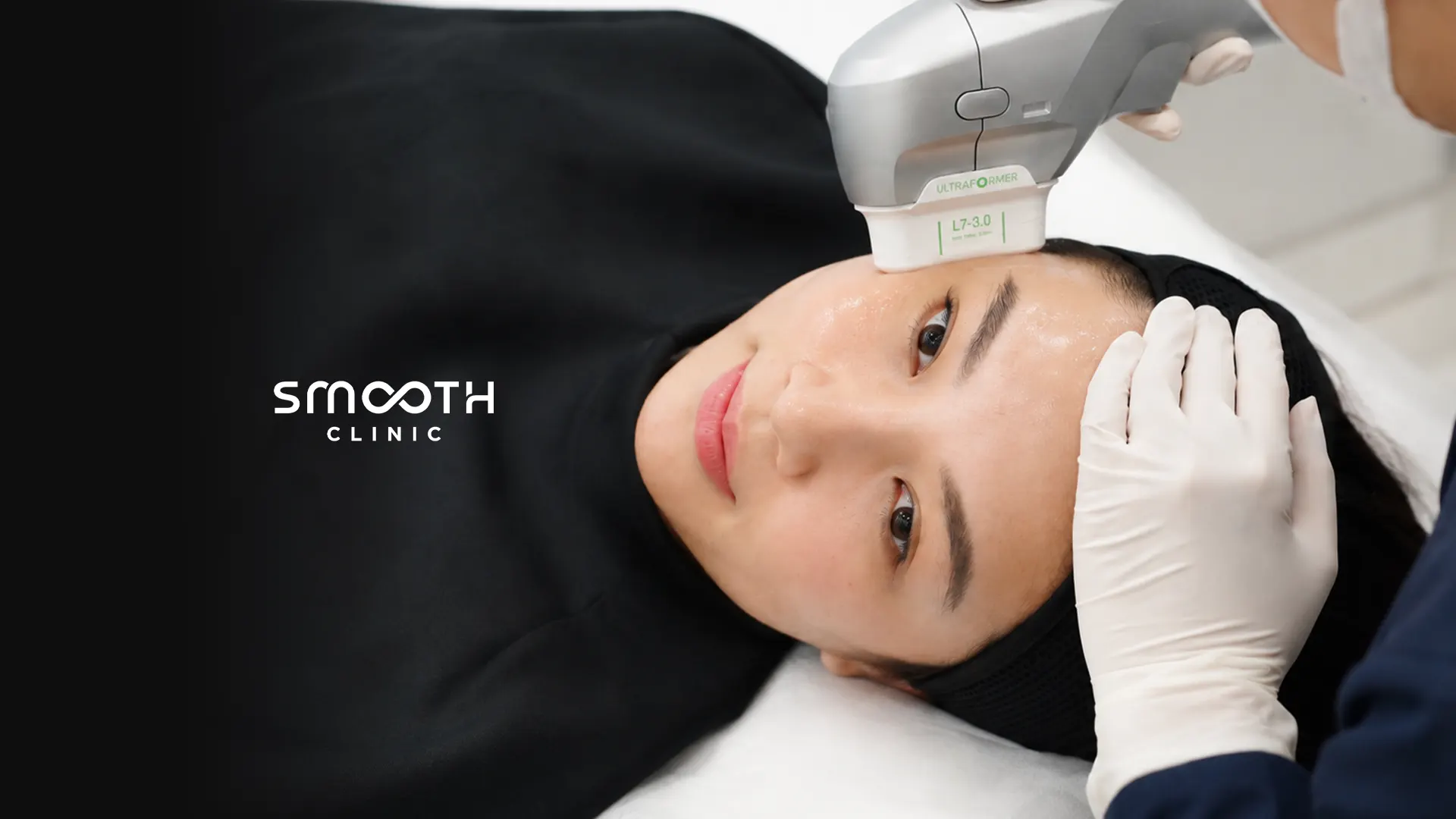
- Ultraformer III: a focused-ultrasound system with different treatment cartridges. Information about Ultraformer MPT should not automatically be applied to III.
- Oligio X: monopolar radiofrequency delivered through a skin-contact tip without needles.
- Sylfirm X Plus: RF microneedling, which sends energy through small needles entering the skin. Its recovery and skin-care needs differ from surface-applied RF.
Some energy-based treatments may provide modest tightening when laxity is limited. Changes usually develop gradually; no single depth, results timeline or yearly maintenance schedule applies to every device and person. These treatments do not change jawbone width, and a device advertised for lifting is not automatically an appropriate way to reduce cheek fat.
For more detail, see our guides to HIFU and focused ultrasound and different types of RF skin tightening.
Treatment can feel hot or painful. Redness, swelling and bruising are possible, and some systems have risks of burns, scarring or nerve effects. The U.S. FDA has also reported fat loss and disfigurement with certain uses of RF microneedling. That warning should not be interpreted as the same risk for all non-needle RF treatments.
Filler: changing proportions by adding volume
Hyaluronic acid (HA) filler can add volume to selected areas such as the chin or jawline. It may improve proportions, but it is not a fat-reduction treatment and does not make every face look slimmer. Too much added volume can work against that goal.
A change may be visible immediately, but swelling can obscure the final contour. Duration depends on the product and treatment area. HA filler can sometimes be reduced with an enzyme injection, although correction has risks and does not guarantee a return to the original appearance.
Swelling, bruising and lumps can occur. Accidental injection into a blood vessel can cause tissue damage, blindness or stroke. This is an important part of the consent discussion, even with an experienced injector.
Thread lifts: a limited lift with recovery time
A thread lift uses threads placed beneath the skin to support or reposition tissue. Thread materials and designs differ. It can be considered for selected sagging concerns, but it does not remove excess skin or reproduce a surgical facelift.
Allow swelling to settle before judging the contour. Results are not permanent, and a fixed 12-to-18-month promise does not apply to every thread or person. Risks include bruising, persistent pain, infection, threads becoming exposed and an unsatisfactory or uneven result. It is not a reliable last-minute treatment before an important event.
How should you choose a treatment and plan the timing?
Ask the clinician to explain what is contributing to your concern, what the proposed procedure can change and what it cannot. Marked excess skin or a concern driven mainly by bone structure may need a different assessment. Choosing no procedure is also reasonable.
- Set a specific goal: a narrower muscle-related jaw, a different chin profile and a firmer jawline are different aims.
- Allow for recovery: “non-surgical” does not mean no swelling, bruising or time away from normal activities. Plan around work and social events.
- Assess before repeating: review the result and any side effects rather than committing to an automatic maintenance schedule.
- Question combination packages: several procedures may be appropriate for different concerns, but adding more treatments is not always better. Their order and spacing need individual planning.
How much do face slimming treatments cost in Thailand?
There is no single price for facial contouring. A useful comparison needs the actual product or device, the area being treated and the complete plan. Ask for a written quote in Thai baht and check these details:
- Botulinum toxin: product name, planned units and fees. Units from different brands are not directly interchangeable.
- Fat-reduction injections: ingredient, product, treatment area and whether the quote is per visit or for a course.
- Devices: exact model, treatment area, applicator and quoted shots or lines. These units are not standardized across different systems.
- Filler or threads: filler model and volume, or thread type and number, plus follow-up and any additional charges.
A higher price does not establish a longer-lasting or more suitable result. Before booking in Thailand, check the clinic and clinician credentials, the proposed product or device’s local status and intended use, and how follow-up will work. Overseas approval or clearance does not establish Thai authorization.
To discuss an assessment and confirm current options and costs, contact Smooth Clinic. If you need consultation, consent and aftercare explained in English, check this when booking.
What safety and aftercare questions matter?
Your health, medicines, allergies, previous procedures and any implanted devices can affect the choice. Tell the clinician about pregnancy or breastfeeding and any infection or inflamed skin in the treatment area. Elective cosmetic treatment is usually postponed during pregnancy; breastfeeding needs a procedure-specific discussion. Do not stop prescribed medicines yourself.
Get aftercare instructions for the procedure you actually receive, including when to return to exercise, makeup, sun exposure and other treatments. Do not massage or try to reshape treated areas unless your clinician instructs you to. Arrange a way to contact the treating team between appointments.
- After filler: unusual pain or white, grey or blue skin near the injection site needs immediate medical assessment.
- Emergency symptoms: changes in vision, difficulty breathing or swallowing, sudden trouble speaking or new marked weakness need emergency medical care.
- Other concerning changes: worsening pain, blistering, spreading redness, fever, discharge, persistent lumps or new facial weakness need prompt clinical review.
Frequently asked questions
Can one treatment permanently create a V-shaped face?
No procedure can promise a permanently fixed face shape. Toxin, fillers and lifting procedures have effects that change over time. Even when a treatment reduces some fat cells, weight changes and aging can still alter the contour.
At what age should I start?
There is no age at which everyone should start. Suitability depends on the concern, health, expectations and the age range and intended use of the particular product or device. Turning 20 does not make every procedure appropriate.
Can weight loss, facial massage or exercises slim the face?
Weight changes can affect facial fullness, but you cannot reliably choose to lose fat only from the cheeks. Massage and facial exercises have been studied for outcomes such as blood flow or cheek fullness; those findings do not establish permanent face slimming. Skincare can support skin health, but it cannot narrow the jawbone or remove substantial loose skin.
References
- Sun J, et al. OnabotulinumtoxinA for masseter prominence: a randomized phase 3 trial. Aesthetic Surgery Journal. 2026;46:486–494.
- DailyMed. BOTOX Cosmetic: U.S. prescribing information.
- U.S. FDA. Kybella safety labeling update. 15 September 2026.
- American Academy of Dermatology. Many ways to firm sagging skin.
- Manufacturer technology information: Ultherapy PRIME instructions for use; CLASSYS Ultraformer III; WONTECH Oligio X (Korean).
- Wittayabusarakam N, et al. A case report identifying the Sylfirm X Plus RF-microneedling system. Clin Cosmet Investig Dermatol. 2025;18:2739–2747. Cited for device type, not proof of face-slimming effectiveness.
- U.S. FDA. Risks with certain uses of RF microneedling (15 October 2025) and dermal filler safety.
- American Society of Plastic Surgeons. Thread lift risks and results and recovery.
- Alam M, et al. Facial exercise and the appearance of aging. JAMA Dermatol. 2018;154:365–367. Miyaji A, et al. Facial massage and skin blood flow. Complement Ther Med. 2018;41:271–276.